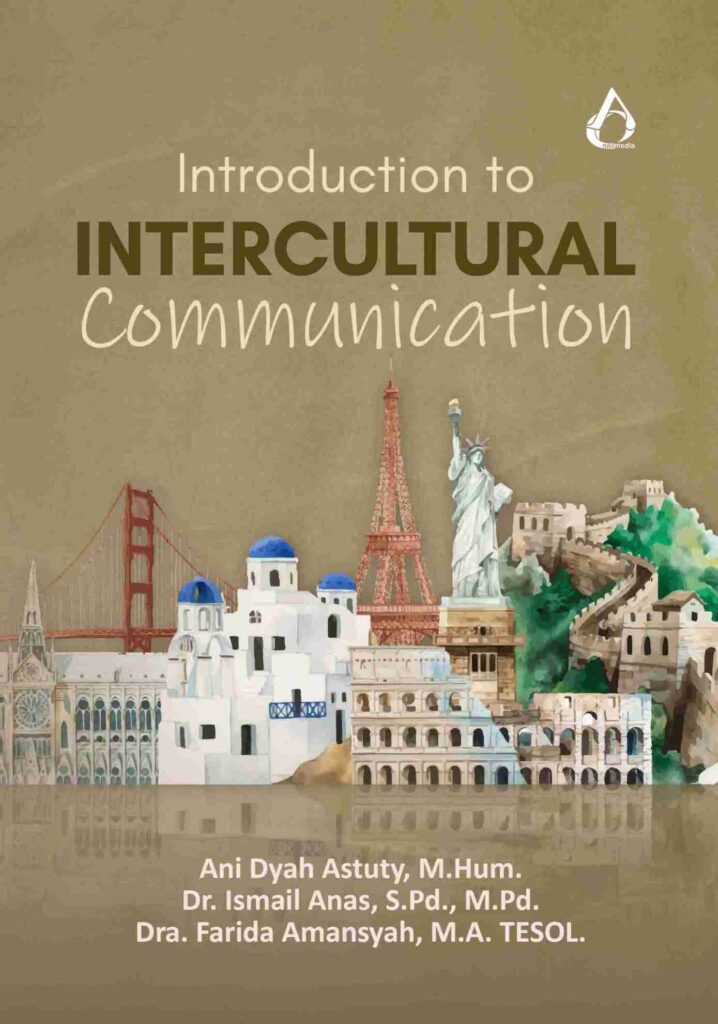
Ani Dyah Astuty, M.Hum.
Dr. Ismail Anas, S.Pd., M.Pd.
Dra. Farida Amansyah, M.A. TESOL.
Rp. 80.000
Deskripsi
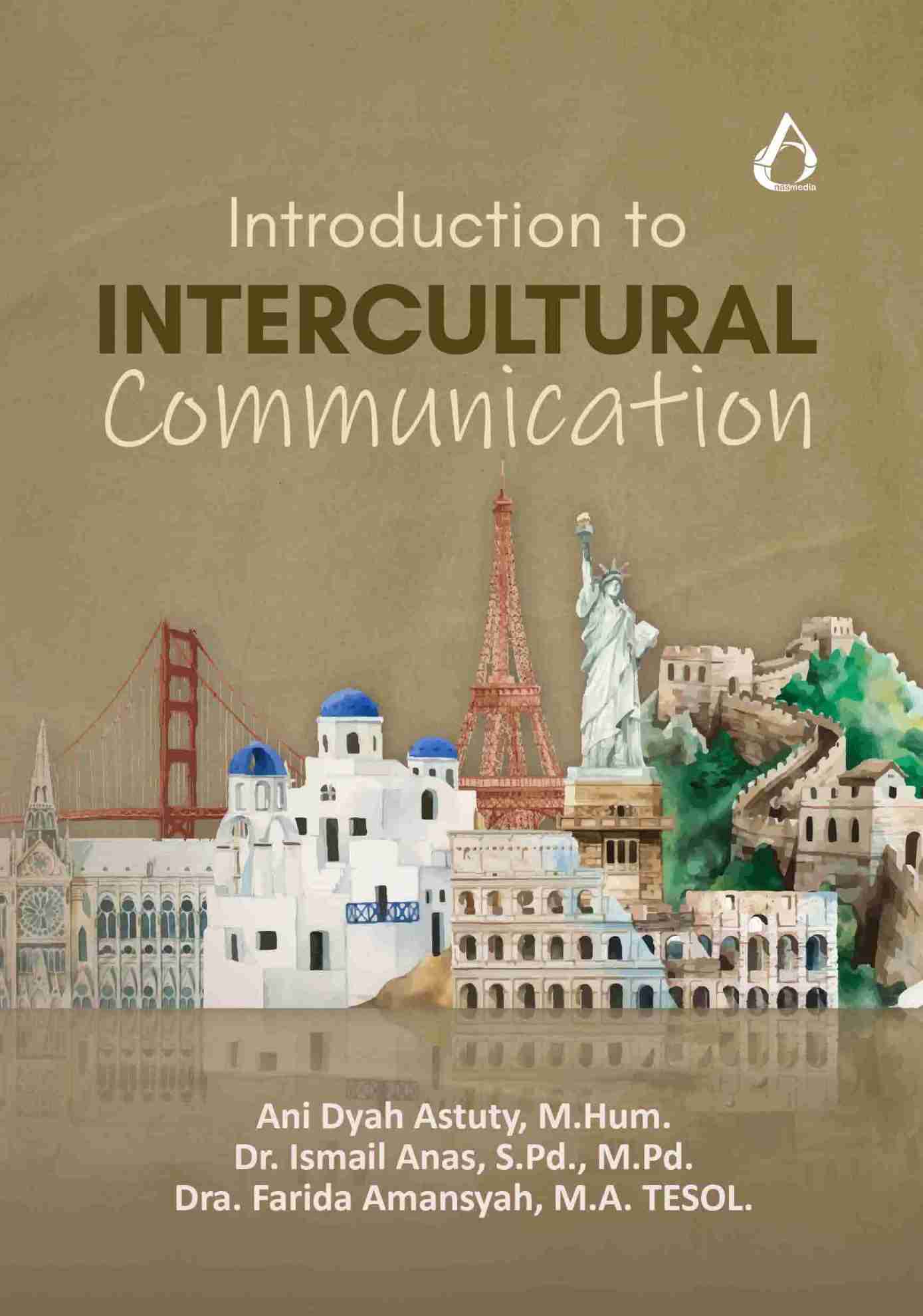
In the rapidly globalizing world of the 21st century, the ability to navigate cultural differences has become an essential skill for individuals and organizations alike. Intercultural competence, defined as the ability to communicate effectively and appropriately with people of other cultures, is crucial for fostering mutual understanding, respect, and cooperation in a diverse and interconnected world. This introduction explores the significance of intercultural competence, the key components that constitute this competence, and the reasons why it is indispensable in various domains of life. Intercultural competence is not merely a desirable trait; it is a necessity in today’s multicultural environments. Whether in the workplace, educational institutions, or social settings, interactions between individuals from different cultural backgrounds are becoming increasingly common. These interactions, however, can be fraught with misunderstandings and conflicts if cultural differences are not understood and respected. In the business world, for example, companies are expanding their operations globally, requiring employees to work with colleagues, clients, and partners from diverse cultural backgrounds. Effective intercultural communication can enhance teamwork, improve client relations, and contribute to the overall success of international business ventures. Conversely, a lack of intercultural competence can lead to miscommunications, reduced productivity, and even the failure of business initiatives.
| Halaman | Penerbit |
| x + 106 hlm | PT. Nas Media Indonesia |
| ISBN | E-ISBN |
| XXXXXXXXXXXXXXXXXXX | XXXXXXXXXXXXXXXXXXX |
| Ukuran | Bahasa |
| 14,5 x 20,5 cm | Indonesia |